
Building a Resilient Food System

Food policy that starts close to home
Our work begins with the kind of details that rarely fit into a public meeting agenda: a parent trying to stretch SNAP benefits through the last week of the month, a grower weighing whether to keep land in production, a neighborhood group asking why fresh food is easier to discuss than to reach.
Those details matter. They show where policy either holds up or breaks down. In Asheville and Buncombe County, food access is shaped by land use, transportation, school meals, public purchasing, farm viability, and local budgets. Treating those issues as separate problems makes the work slower. Treating them as one food system gives residents and decision-makers a clearer path.
For residents
Find practical information on food assistance, neighborhood food projects, and ways to speak up when local plans affect household food access.
For policymakers and advocates
Use our policy notes, community feedback, and implementation updates to connect public commitments with measurable local action.
From planning tables to pantry lines
Food plans often sound tidy on paper. The real test comes later, when a bus route changes, a pantry loses volunteer capacity, or a small farm faces another season of rising input costs.
Core team

That is where abfoodpolicy works best: translating between policy language and the ground-level reality that residents describe every week. A food action plan can name equity as a goal. A neighborhood meeting can show whether that goal reaches older adults without reliable transportation, workers with changing shifts, or families who need culturally appropriate food nearby.
Field Note:
When community members talk about food access, they rarely talk only about food. They talk about rent, child care, road safety, clinic hours, and whether public benefits are easy to use at the places they already shop.
Monitoring reports show the strongest local food policy work happens when implementation stays visible after a plan is adopted. That means tracking who is responsible, what changed, and where residents still hit barriers. It also means naming tradeoffs early, before a well-intended project becomes too narrow to help the people it was meant to serve.
Our role is not to replace public agencies or direct-service organizations. It is to help connect them, question gaps, and keep community priorities in the room long enough to shape decisions.
Five entry points into a stronger regional food system
Most people enter food policy through one doorway. A gardener may start with soil health. A voter may start with candidate positions. A family may start with SNAP or Double Up Food Bucks. The work is connected, even when the starting points differ.
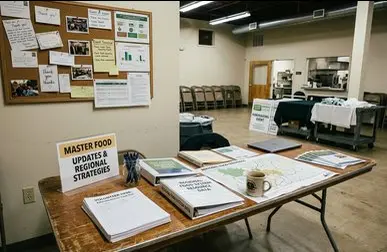
Policy & Planning
Follow updates on the City of Asheville Food Action Plan, the Master Food Plan, and regional food system strategies.
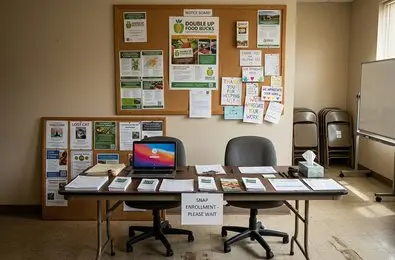
Food Security
Use resources on SNAP, Double Up Food Bucks, and efforts to reduce food access gaps in Buncombe County.
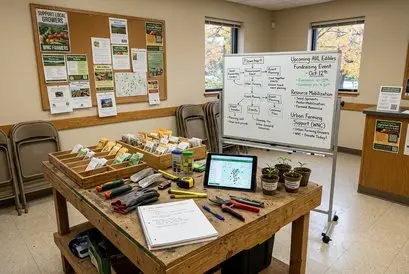
Sustainable Agriculture
Learn about urban farming, farmland protection, soil health, and support for local growers.
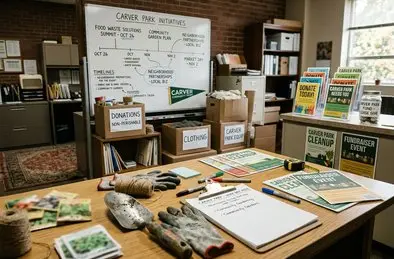
Community Initiatives
Find local events, community gardens, Food Waste Solutions Summit updates, and neighborhood partnerships.
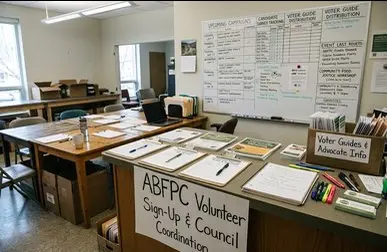
Advocacy
Access voter guides, candidate surveys, and practical ways to speak up for food justice in local government.
Bottom Line:
A stronger food system needs more than emergency response. It needs planning, farm viability, neighborhood leadership, and public accountability moving at the same time.
Built by practitioners, partners, and community advocates
Food policy work is slow because trust is slow. Residents need to see that their concerns do not disappear after a listening session. Agencies need clear feedback they can act on. Advocates need enough shared information to push for change without guessing.


Thomas Caldwell
Senior Food Systems Planner
Focuses on regional food policy, land-use planning, and public food procurement.
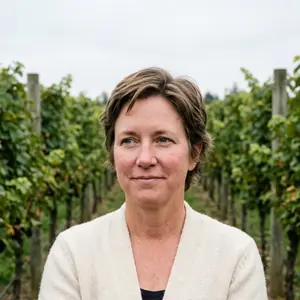
Laura McKinney
Sustainable Agriculture Specialist
Works on soil health, diversified farming systems, and climate-resilient agriculture.

Marcus Greene
Community Food Security Director
Leads work on food access systems, hunger prevention, and equity metrics.
How we hold the work accountable
Our coalition model depends on ongoing coordination with local government, community organizations, growers, and residents across Asheville and Buncombe County. These relationships are tied to specific planning, outreach, and implementation work rather than one-time endorsements.
Stakeholder feedback indicates that the most useful coalition role is often practical: clarify the decision point, gather the right people, and keep the next step visible.
Share a local food policy concern Meet the coalition
abfoodpolicy organizes this work through five connected program areas: Policy & Planning, Food Security, Sustainable Agriculture, Community Initiatives, and Advocacy.